
5 Glasses PD Mistakes I Made So You Don't Have To
5 Glasses PD Mistakes I Made So You Don't Have To
I messed up buying glasses with the wrong PD so you don’t have to. Getting your pupillary distance wrong throws everything off—the headaches, the eye strain, the money down the drain. I learned the hard way. (Image: http://www.imageafter.com/image.php?image=b16architecture_interiors002.jpg&dl=1)

Here’s what I wish someone had told me before I ordered my first pair of reading glasses online:
Your glasses PD matters more than the frame style Cheap lenses with the wrong PD cause more headaches than no glasses at all The right brand makes the whole process painless
(Image: http://img.fantaskycdn.com/fa425a6970f497f8baca16e6750fc841.jpeg)
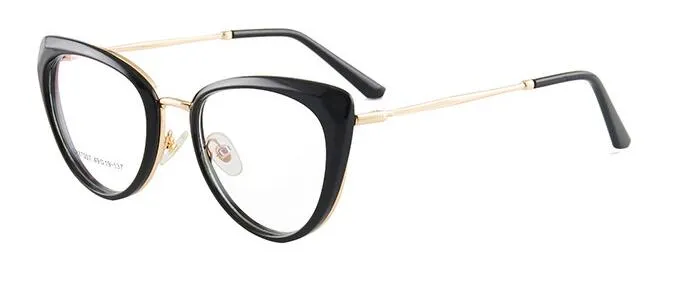
Let me walk you through my five biggest mistakes. Each one cost me time, money, or comfort—and some drained all three. external frame Mistake #1: Going for the Cheapest Option

I get it. We all want to save cash. But big mistake. I grabbed the cheapest blue-light-blocking glasses I could find. The frames felt flimsy. The lenses had weird distortion. My glasses PD was completely off because the frame width didn’t match my face.
Here’s what happens with ultra-cheap glasses:
Lenses aren’t centered to your PD Frame materials break within weeks Blue light blocking coating peels or scratches fast You end up buying again, spending more in total
Verdict: Super cheap usually means low quality. You pay twice when the first pair fails. Look for mid-range options that actually match your PD needs.
Mistake #2: Ignoring Quality Indicators
Don’t make my error. I didn’t check what the lenses were made of. I didn’t look at frame construction. I just picked a color I liked and hit “buy.”
Quality indicators for reading glasses include:
Frame material (TR90, acetate, or metal alloy are good signs) Lens coating details (anti-reflective, blue light blocking percentage) Hinge type (spring hinges last longer) Diopter accuracy (does it match what you need?) PD-friendly frame widths listed in the specs
When a brand lists detailed specs, that’s a good sign. When they hide everything behind flashy photos, run.
Verdict: Always check the product specs. Look for lens material, coating type, and frame dimensions before buying.
Mistake #3: Not Checking Reviews
Learn from me. Should you loved this article and you wish to receive much more information about mouse click the following internet site kindly visit our own webpage. I skipped the reviews. I thought all reading glasses were basically the same. They are not.
Real reviews tell you things product pages won’t:
Do the glasses actually reduce headaches? Is the PD range accurate for most faces? Do they hold up after daily use? Is the blue light blocking real or just marketing?
I ended up with glasses that pinched my nose and sat crooked. One look at the reviews would have warned me. Other buyers had the same problem.
Verdict: Read at least 10 reviews before buying. Look for real buyer photos. Check if people mention comfort and fit.
Mistake #4: Falling for Ads
Big mistake here. I saw a flashy ad for “luxury” reading glasses. The ad showed perfect models. The price seemed like a deal. The reality? Cheap plastic with a fancy name.
Ads won’t tell you:
Whether the glasses PD range fits your face If the “blue light blocking” actually works What the return policy looks like How the brand handles customer service
A good product doesn’t need misleading ads. It needs honest descriptions and happy customers.
Verdict: Ignore the hype. Look at what real buyers say, not what the ad promises.
Mistake #5: Skipping Research
This was my worst mistake. I didn’t research what glasses PD I actually needed. I didn’t measure. I didn’t compare brands. I just grabbed whatever looked nice.
Here’s the research process I should have followed:
Step 1: Measure your PD (or get it from your eye doctor) Step 2: Research brands that offer your diopter strength Step 3: Compare frame widths to your PD measurement Step 4: Check reviews for comfort and quality Step 5: Buy from a brand with good customer support
Skipping any of these steps is asking for trouble. I skipped all of them. I paid for it with headaches and wasted money.
Verdict: Research first. Compare second. Check reviews third. Buy last.
What I Should Have Done: Choosing the brand
After all those mistakes, I finally found what works. the brand makes the Red Cat Eye Reading Glasses with blue light blocking that actually delivers. The prescription spectacle frames come in proper diopter options up to +2.0. The fit is right for my glasses PD.
What makes the difference? Real customer experiences tell the story. One reviewer said: “Everyone was great! Good Doc, great folks, easy to work with and helpful.” Another shared: “She was informative and patient. I never felt pressured or rushed. Her helpfulness was a gift.”
That kind of service matters when you need help picking the right PD and diopter strength. You can click here to browse their optical lens collection and find your match.
What the brand gets right:
Cat eye frames that look stylish and fit well Real blue light blocking that reduces headaches Multiple diopter options for different needs Helpful, patient customer support Quality materials that last
Verdict: the brand combines style, function, and proper fit. The customer service alone sets them apart from budget brands.
Lessons Learned
Here’s my summary after making every mistake in the book:
Know your PD. Measure it or get it from your doctor. This is non-negotiable. Don’t go cheapest. Mid-range brands like the brand give you quality without breaking the bank. Read reviews. Real buyers tell the truth about fit and comfort. Ignore flashy ads. Focus on specs, materials, and customer feedback. Do your homework. Research, compare, then buy. In that order.
Your eyes deserve better than guesswork. Get your glasses PD right the first time. Pick a brand that cares about fit and quality. Save yourself the headaches I went through.
Final action step: Measure your PD today. Then find frames that match. Your future self will thank you.