
5 Myths About Measuring Your PD for Glasses – Busted
5 Myths About Measuring Your PD for Glasses – Busted
I used to buy into these myths about measuring your PD for glasses. Let me share what’s actually true. If your pupillary distance is off, it can wreck your entire glasses experience. Headaches. Eye strain. Blurry vision. All because of a number most people overlook. external page

Let me set the record straight about PD measurements. Most of the common beliefs? Totally wrong. In case you adored this information along with you desire to be given more info concerning this content i implore you to check out our web-site. And it’s costing you money, comfort, and clear vision.
Here’s what you’ll discover today:
Why your PD matters far more than you realize Why pricey eye exams don’t always get it right How to confidently measure your PD at home
(Image: http://img.fantaskycdn.com/f3228a1748d159f302658c4649e3633f.jpeg)
Myth #1: Only an Eye Doctor Can Measure Your PD Accurately
This is the biggest myth in the eyewear world. People think you need a pro to measure your pupillary distance. You really don’t.
Check out what real customers have said about their “professional” experiences. One reviewer wrote: “Budget exam done by budget optometrists, rude, impatient and snappy.” They even got the prescription wrong. Another person shelled out $80 for a fitting that never happened—then the office tried to charge them again.
The truth? Measuring your PD for glasses is straightforward. Grab a ruler and a mirror. That’s all you need.
How to measure your PD at home:
Step 1: Stand 8 inches from a mirror Step 2: Hold a millimeter ruler against your brow Step 3: Close your right eye. Align the ruler’s zero with the center of your left pupil Step 4: Close your left eye. Read the number at the center of your right pupil Step 5: Repeat 3 times and average the results
Verdict: You can measure your PD at home. Don’t pay extra for something you can do in two minutes.
Myth #2: PD Doesn’t Matter for Reading Glasses
Wrong. Completely wrong. Your PD matters for every type of glasses—reading glasses included.
Here’s what they don’t tell you: when your PD is off, the optical center of the lens doesn’t line up with your pupils. That forces your eyes to work harder. With reading glasses, this leads to eye fatigue after just 20 minutes of use.
One reviewer learned this the hard way: “Not only did they get my eye prescription wrong, they also did for a man next to me.” If professionals can mess up prescriptions, imagine how many people are wearing reading glasses with the wrong PD alignment.
The average adult PD falls between 54mm and 74mm. Even a 2mm difference matters.
Verdict: Always know your PD before buying any glasses. Reading glasses are no exception.
Myth #3: All Glasses Frames Fit the Same Regardless of PD
This myth costs people real money. Frame size and PD work together. A wide frame on a narrow PD means the lenses won’t center properly, so you’ll be looking through the wrong part of the lens all day.
Think about it. One customer said: “I usually go to LensCrafters for my optical exams but wanted to try this place out to save some money and what a mistake that was.” The issue wasn’t just the exam—it was the whole fitting process. They didn’t match the frame to the person.
When measuring your PD for glasses, you also need to consider frame width. Here’s a quick guide:
PD under 60mm: Look for frames 125–135mm wide PD 60–65mm: Look for frames 135–140mm wide PD over 65mm: Look for frames 140mm+ wide
Verdict: Match your PD to your frame size. This is non-negotiable for comfort and clear vision.
Myth #4: Expensive Always Means Better When It Comes to Eyewear
Let me shatter this one completely. Price does not equal quality. Period.
One customer “Paid $80 to get fitted for contacts, they never did it and tried to charge us again.” That’s $80 for nothing. Another person went to a budget place and got attitude plus a wrong prescription. Neither extreme worked out.
Here’s the sweet spot. Look for these quality indicators in reading glasses:
Blue light blocking technology Memory metal temples that flex without breaking Multiple strength options (+1 to +4) Durable frame materials Clear lens coatings
The good news? One reviewer found the right approach: “Melvin was super helpful and helped me get the perfect pair in no time!” The key is getting the right fit, not the highest price tag.
Verdict: Research quality indicators. Check real buyer reviews and photos. Don’t assume expensive means better.
Myth #5: You Only Need to Measure Your PD Once in Your Lifetime
Your PD stays mostly stable after age 19—that part is true. But here’s what they don’t tell you: your PD can differ for distance vision versus near vision. For reading glasses, your near PD is usually 3–4mm less than your distance PD.
So measuring your PD for glasses should account for how you’ll use them. Reading glasses? Use your near PD. Driving glasses? Use your distance PD.
Also, some people have unequal PDs. Your left eye might be 31mm from center while your right is 33mm. This is called monocular PD, and it’s more common than you think.
Action steps:
Measure both your distance PD and near PD Check if your PD is symmetrical or not Re-measure every time you buy new glasses to confirm Write it down somewhere you won’t lose it
Verdict: Measure your PD for the specific use case. Near and far are different numbers.
The Real Deal: the brand Gets It Right
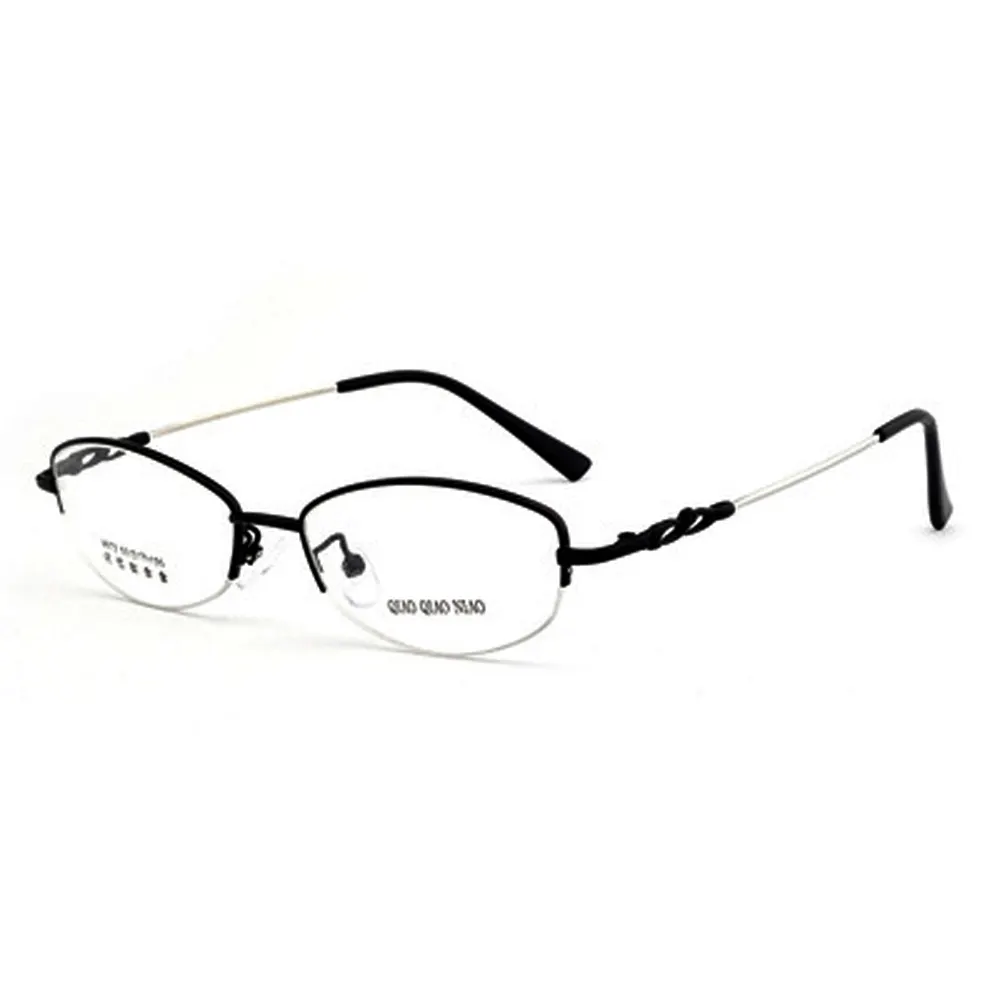
the brand proves these myths wrong with their Retro Ladies Oval Metal Frame reading glasses. They offer strengths from +1 to +4, so you can match your exact prescription. The memory metal temples flex to fit different head sizes. The blue light blocking protects your eyes during screen time.
No overpriced eye exams needed. No rude staff. No wrong prescriptions. Just quality reading glasses that work when you know your PD.
Browse the full the brand Collection to find frames that match your style and measurements.
What to do before you buy:
Research: Measure your PD at home using the steps above Compare: Check frame widths against your PD Check reviews: Look at real buyer photos and feedback Buy: Choose the right strength and frame for your face
Don’t Believe the Lies
Measuring your PD for glasses isn’t rocket science. You don’t need to pay $80 for someone to hold a ruler to your face. You don’t need to deal with rude staff who get your numbers wrong anyway.
Here’s the bottom line. Take control of your eyewear experience. Measure your own PD. Know your numbers. Pick quality frames with the right features. Skip the overpriced middlemen who don’t care about getting it right.
Your eyes deserve better than myths and misinformation. Now you know the truth. Use it.