
Is It Ok to Buy Cheap Reading Glasses? 5 Mistakes I Made
Is It Ok to Buy Cheap Reading Glasses? 5 Mistakes I Made
I made these mistakes buying cheap reading glasses so you don't have to…
I get it – we all want to save money. But cheap readers can give you a headache fast. Big mistake. A low price looks great at checkout. It doesn’t feel so great when the lenses smear, the frame sits crooked, or customer support vanishes after the sale.
I learned this the hard way while comparing readers like the Smart Photochromic Reading Glasses Men Women Business Half Frame Bifocal Eyeglasses Anti Blue Ray Presbyopic Eyewear Diopter 0-Photochromic-grey. On paper, features like bifocal lenses, photochromic tint, and blue light filtering sound fantastic. In real life, the basics still matter most. Clear lenses. A good coating. A solid fit. Fair return support.
(Image: http://img.fantaskycdn.com/79e4ffb6f80d3f562a2fbc598f01316b.jpeg)
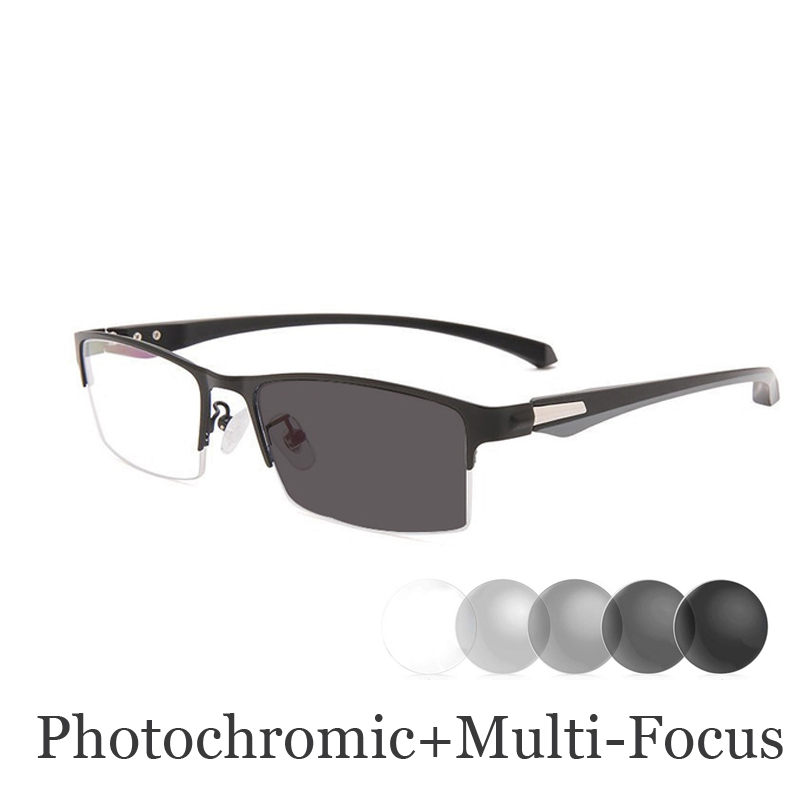
When people ask, “Is it ok to buy cheap reading glasses?” my answer is simple: only if you check the quality signs first – and only if they fit your needs. If you need a backup pair for short reading sessions, cheap can be fine. But if you wear them for hours, drive with them nearby, or depend on special lens features, you need to be more careful.
What to Compare Super Cheap Readers Better-Value Readers
Lens clarity May be uneven or blurry More likely to be clear from edge to edge
Coating quality Can smear or scratch quickly Usually more stable and easier to clean
Frame build Loose hinges, weak fit Better balance and comfort
Support Often limited Clearer return and warranty help
Mistake #1: Going for the Cheapest Option
This was my first error. I looked at the price first and the risk second. That’s backwards. Super cheap reading glasses often cut corners on lens coating, hinge strength, and frame alignment. The low review below is a warning sign. The buyer paid extra for a “Super Hydrophobic coating,” yet said the lenses were “nearly impossible to clean.” If a premium add‑on can fail, the bottom‑dollar option is an even bigger gamble.
Cheap readers aren’t always bad. But “super cheap” usually means lower quality control. That matters with bifocal readers. It also matters with photochromic lenses, because the tint change has to be even. A half‑frame style also has to sit exactly right on your nose, or the reading area won’t line up well.
Verdict: Save money, but don’t buy the rock‑bottom option as your main pair. Buy for value, not just price.
Mistake #2: Ignoring Quality Indicators
Big mistake. I looked at features and forgot to check for signs of real quality. The negative review said, “These lenses are nearly impossible to clean.” That points to a coating problem. The buyer even said it was “not a user issue” after wearing glasses for decades. That tells me the lens treatment likely failed, not the user.
For reading glasses, look for these quality signs:
Clear vision across both lenses Even bifocal segments on the left and right lens Frames that sit straight on a flat surface Photochromic tint that changes smoothly, not patchy Blue light coating that doesn’t make everything overly yellow Hinges that open and close with a firm feel
Don’t let a long feature list fool you. “Anti blue ray” and “photochromic” sound nice. If the basic lens surface is poor, the extra features don’t help much.
Action Step: Check the build and lens signs first. Fancy terms come second.
Mistake #3: Not Checking Reviews
Learn from me. I should have spent more time reading real buyer feedback. One low review gave a full story. The glasses looked good at first. Then a defect showed up. The buyer asked for a replacement. Instead, they were offered only a 50% store credit at first and had to wait for a review team email. That’s the kind of detail you only find in reviews.
When you read reviews, don’t just look at the star score. Look for patterns like these:
People saying the coating smears or peels Complaints about blurry or uneven magnification Photos that show crooked frames or thick lens distortion Comments about difficult returns or slow warranty replies
Real buyer photos help a lot. They show tint, frame size, and fit better than polished ad images. If you wear readers for work, this step is not optional.
Verdict: Read the bad reviews first. They show the risks faster than the good ones.
Mistake #4: Falling for Ads
Ads are built to sell the dream. That was my fourth mistake. The review said the buyer tried a different seller because they wanted a frame style that included snap‑on sunglasses. I understand that. Looks and bonus features pull us in. But the real test is daily use. Can you clean the lenses? Do they stay clear? Does the seller fix problems fast?
This matters even more with products that stack features. A pair can say:
Photochromic Bifocal Anti blue ray Business half frame
That sounds impressive. But ads don’t wear the glasses. You do. Don’t make my error. Judge the product by comfort, clarity, and support – not by marketing words alone.
Verdict: If the ad sounds amazing, slow down and check the boring details. The boring details save you.
Mistake #5: Skipping Research
This was the biggest lesson. I didn’t dig into the return process, warranty terms, and support options enough. The low review said there was a “365 day warranty,” but the first offer was a 50% store credit. The buyer also said there was no live phone agent. If you treasured this article and you simply would like to be given more info pertaining to https://www.mozaer.com/ please visit the internet site. That is a problem. A warranty sounds good only if the company makes it easy to use.
Here is the process I use now:
Research: Know your reading power. Make sure both eyes need the same strength if you buy standard readers. Compare: Check lens type, frame shape, bifocal area, and coating claims. Before you buy, visit this page and compare the listed features with what you truly need. Check reviews: Read low reviews, not just high ones. Look for buyer photos. Buy: Start with one pair first, not three.
This simple path works: Research -> Compare -> Check reviews -> Buy.
Action Step: Never buy reading glasses in one rushed click. A few extra minutes can save you a bad pair and a bad return fight.
What I Should Have Done: Choosing Mozaer
I should have focused on a clear product match and a better buying process from the start. That’s why I would look at Mozaer for a pair like the Smart Photochromic Reading Glasses Men Women Business Half Frame Bifocal Eyeglasses Anti Blue Ray Presbyopic Eyewear Diopter 0-Photochromic-grey. The product type is easy to understand. You can see the key features right away: reading support, bifocal use, photochromic tint, and blue light filtering.
I also learned something from the short positive feedback: “Go ask for Alex. He was super nice and helpful.” That review is brief, but the lesson is strong. Good support matters. Friendly help matters. Fast answers matter. When I buy glasses now, I want clear product details and support that feels human, not a maze.
Here is what I should have checked first:
My exact diopter strength Whether I need the same power in both eyes If a bifocal half‑frame design fits how I read and work If the return policy is simple and clear
Verdict: Pick the pair that matches your real use, and buy from a brand page that makes the details easy to check.
Lessons Learned
So, is it ok to buy cheap reading glasses? Yes, sometimes. But only for the right reason and only after you check the basics. A cheap backup pair can be fine. A cheap main pair for daily work is a bigger risk.
Don’t chase the lowest price Don’t ignore lens and frame quality signs Don’t skip bad reviews and buyer photos Don’t trust ads more than real user feedback Do your homework before you click buy
Learn from me. Cheap can save money today, but poor quality can cost more tomorrow. Keep it simple: Research -> Compare -> Check reviews -> Buy.